
Staff can't use smart glasses at NT Health's clinical sites any more
NT Health has banned staff from using smart glasses at its clinical sites, after a privacy breach at Royal Darwin Hospital.
By Agentico team ·
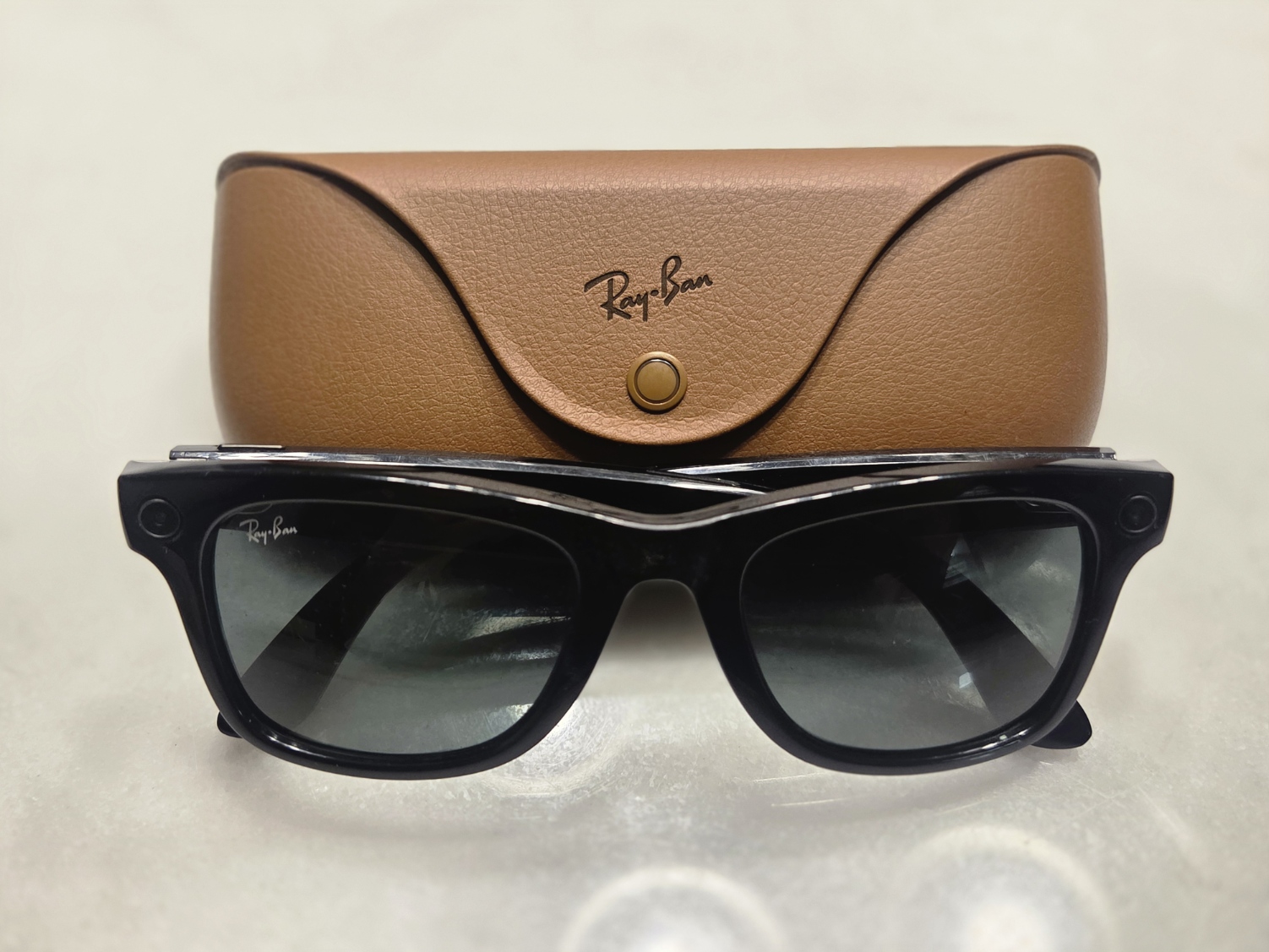
NT Health has banned staff from using smart glasses at all of its clinical sites. The ABC reported the ban on 5 November, a day after chief executive Susan Bowden emailed every NT Health employee about it.
The decision came out of an internal review of the department's privacy policies. That review was set off by a breach at Royal Darwin Hospital, where a visiting medical observer posted images and videos containing the confidential medical information of 12 pregnant patients to Instagram. The ABC says it isn't suggested she used a recording device like this during her placement.
What the email says
Bowden told staff the review group had found "recording-capable wearables, particularly smart glasses" posed a higher risk to patient privacy and confidentiality. They're not to be used to record, photograph, livestream or otherwise capture patients, clinical work or protected information in clinical settings.
There's an exception. Staff can use them if NT Health approves it for a legitimate clinical, therapeutic, communication, accessibility, safety or operational reason, and the use meets the existing rules on patient consent, privacy and records.
The ABC says the email went out a little over an hour after it asked NT Health whether it had a policy on smart glasses. NT Health Minister Steve Edgington has paused the medical observer program and referred the breach to the NT Information Commissioner and NT Police. The review group will keep looking at new technology and privacy across the NT Government.
The Australian Medical Association's NT branch supports the ban. Its vice-president, Dr Dayna Duncan, told the ABC that some technology will be banned outright, while other devices may end up being used in clinics once they're more developed.
Is anyone else doing this?
NT Health isn't the first. The Next Web reported in September that Western Australia had banned smart glasses in public schools from 12 October, and that Brisbane had barred non-consensual use of camera-enabled devices at its 21 public pools. The Gold Coast was considering the same approach.
The same report covered workplaces. Michael Byrnes, a workplace relations partner at Swaab, told Lawyers Weekly that employers shouldn't hesitate to ban the glasses and that telling staff not to wear them is a reasonable and lawful direction. His main worry was audio, since secretly recording private conversations can breach surveillance devices laws. He said staff with a visual impairment should still be able to use them where their work needs it. The eSafety Commissioner has pointed out the glasses help people with disability, for example with speech to text and scene descriptions.
What it means for a business here
The NT ban only applies to NT Health's own staff and sites. But if you run a clinic, a practice, a gym, a salon or anywhere else people expect privacy, it's worth checking whether your rules on phones and cameras also cover glasses that record. Write down where they can't be worn, and leave room for staff and clients who rely on them as a vision or hearing aid. Check whether surveillance laws apply to your situation before you set the rules.
Sources
We help Sunshine Coast businesses put AI to work on the systems they already use. If you'd like to talk through what this means for yours, book a free call.
Book a free call